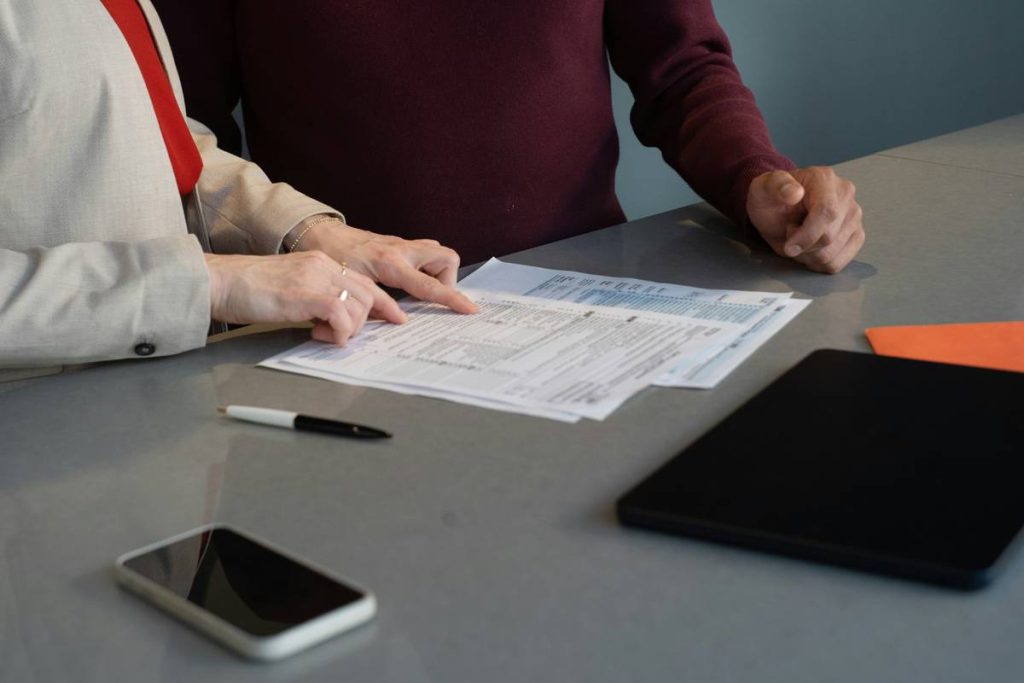
Picture this: you’ve spent months planning a niche comic convention—booking vendors, securing permits, even designing custom lanyards. Then, during setup, a volunteer trips over an extension cord and fractures their wrist. Suddenly, you’re facing a $40,000 medical bill and a lawsuit alleging negligence. Without proper event liability protection coverage, your personal savings—and peace of mind—are on the line.
If you’re hosting or staffing any live event—from trade shows to fan expos—this guide cuts through insurance jargon to show you exactly how to safeguard against financial disaster. We’ll walk through why generic policies fail, how to choose tailored coverage, and real mistakes even seasoned planners make (yes, I learned the hard way). Let’s dive in.
Table of Contents
- Why Event Liability Protection Coverage Matters in Personal Finance
- Your Step-by-Step Guide to Securing Reliable Coverage
- 5 Essential Best Practices Most Organizers Overlook
- Real-World Results: When Coverage Saved the Day
- Frequently Asked Questions
Key Takeaways
- Standard business insurance rarely covers one-off events like conventions.
- Avoid “terrible tip” pitfalls—like assuming venue insurance protects your organization.
- Always verify policy limits align with your event’s risk profile (e.g., 300+ attendees vs. 50).
- Use endorsements like liquor liability if alcohol is served.
- File claims within 24–48 hours to prevent denial due to delayed reporting.
Why Event Liability Protection Coverage Matters in Personal Finance
Many organizers assume their general liability policy—or the venue’s insurance—automatically extends to their event. This myth has bankrupted small businesses. According to the U.S. Small Business Administration, nearly 40% of small businesses face a liability claim annually. For event-based ventures, that risk spikes with crowd size, vendor complexity, and activity types (e.g., cosplay contests with props).
I once co-hosted a regional anime convention and skipped supplemental coverage, trusting our nonprofit’s umbrella policy. During a crowded panel session, a speaker’s tripod collapsed onto a guest’s foot, requiring surgery. Our insurer denied the claim, citing “temporary premises exclusion.” We paid $22,000 out-of-pocket—a blow that delayed our next event by 18 months.
Your Step-by-Step Guide to Securing Reliable Coverage
1. Assess Your Risk Profile
Start by documenting event specifics: expected attendance, activities (e.g., food service, pyrotechnics), and vendor involvement. High-risk elements like bounce houses or alcohol require specialized endorsements.
2. Compare Specialized Providers
Avoid bundling with credit card travel insurance—it’s designed for trip cancellations, not third-party bodily injury. Instead, seek carriers like K&K Insurance or Front Row Insurance that specialize in entertainment and events.
3. Verify Policy Terms
Check for exclusions (e.g., “volunteer injuries” or “digital property damage”) and confirm coverage extends to all staff and volunteers. Ask for a certificate of insurance naming your organization as additionally insured.
4. File Promptly Post-Event
Even if no incident occurs, submit a “zero-claim” report. This builds your credibility for future renewals and may lower premiums.
5 Essential Best Practices Most Organizers Overlook
- Never rely on venue insurance alone: It typically covers structural issues (e.g., ceiling collapse), not your operations.
- Match limits to worst-case scenarios: For 500 attendees, aim for $1–2 million per occurrence (per Insurance Information Institute guidelines).
- Require vendor certificates: Ensure food trucks and exhibitors carry their own liability coverage.
- Avoid the “terrible tip”: Don’t buy the cheapest policy online without human consultation—you might miss critical gaps.
- Link coverage to your brand: Mention your commitment to safety on your site’s About Us page to build trust.
Real-World Results: When Coverage Saved the Day
In 2023, a Denver gaming convention faced a lawsuit after a participant suffered severe burns from a malfunctioning VR headset coolant system. Thanks to their event liability protection coverage with a product liability endorsement, the policy covered $187,000 in legal fees and medical costs. The organizer avoided dipping into operational funds, keeping ticket prices stable for future events.
Conversely, a poorly insured literary festival in Austin had to cancel its 2024 edition after an uninsured slip-and-fall incident drained their reserves. Their mistake? Assuming their event liability protection coverage included premises liability—they’d never read the fine print.
Frequently Asked Questions
Does event liability protection coverage include property damage?
Yes, standard policies cover third-party property damage (e.g., a vendor’s booth destroyed by faulty lighting) up to your selected limit.
How much does convention insurance cost?
For a 2-day event with 300 attendees, expect $250–$600. Costs scale with risk factors like alcohol service or pyrotechnics.
Can I get coverage last-minute?
Most insurers require 5–10 business days. Emergency policies exist but cost 2–3x more and offer limited terms.
Is my event covered if it’s canceled?
No—cancellation requires separate event cancellation insurance. Liability policies only activate during active event operations.
Do I need separate coverage for volunteers?
Usually not, if your policy includes “volunteer inclusion.” Always confirm this clause before finalizing.
Without proper safeguards, your passion project could become a financial nightmare. At The Staffing Solutions Group, we’ve seen too many organizers scramble after preventable incidents. Before you sign another venue contract, secure your foundation with robust liability protection. And remember—when collecting attendee data during registration, we honor your privacy through our strict Privacy Policy.
Final thought: Insurance isn’t an expense—it’s the invisible stagehand ensuring your event’s spotlight stays bright.