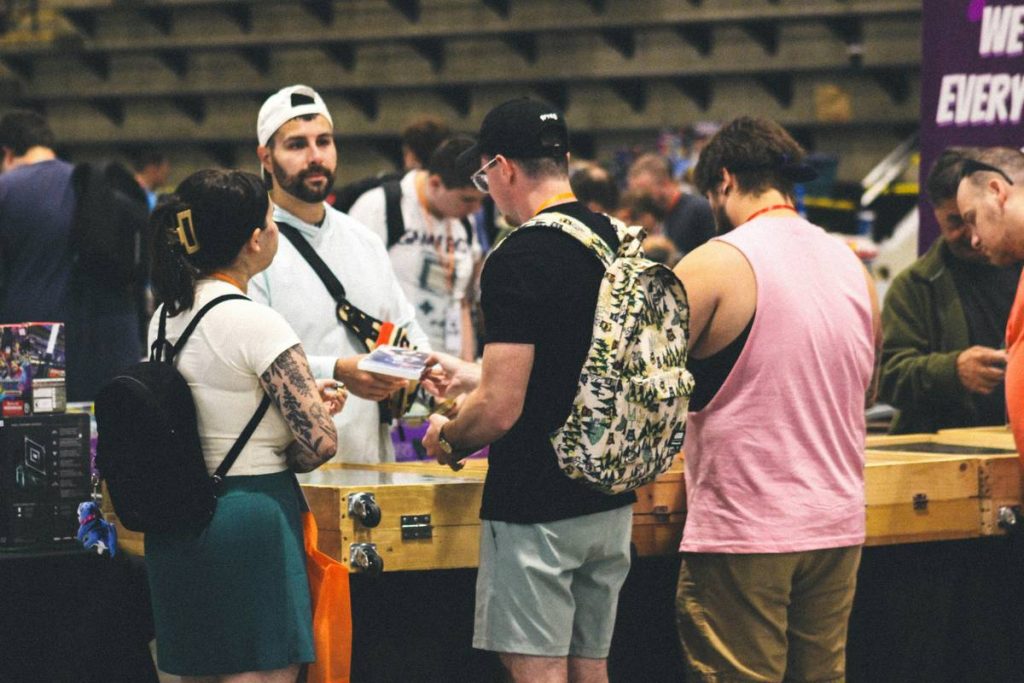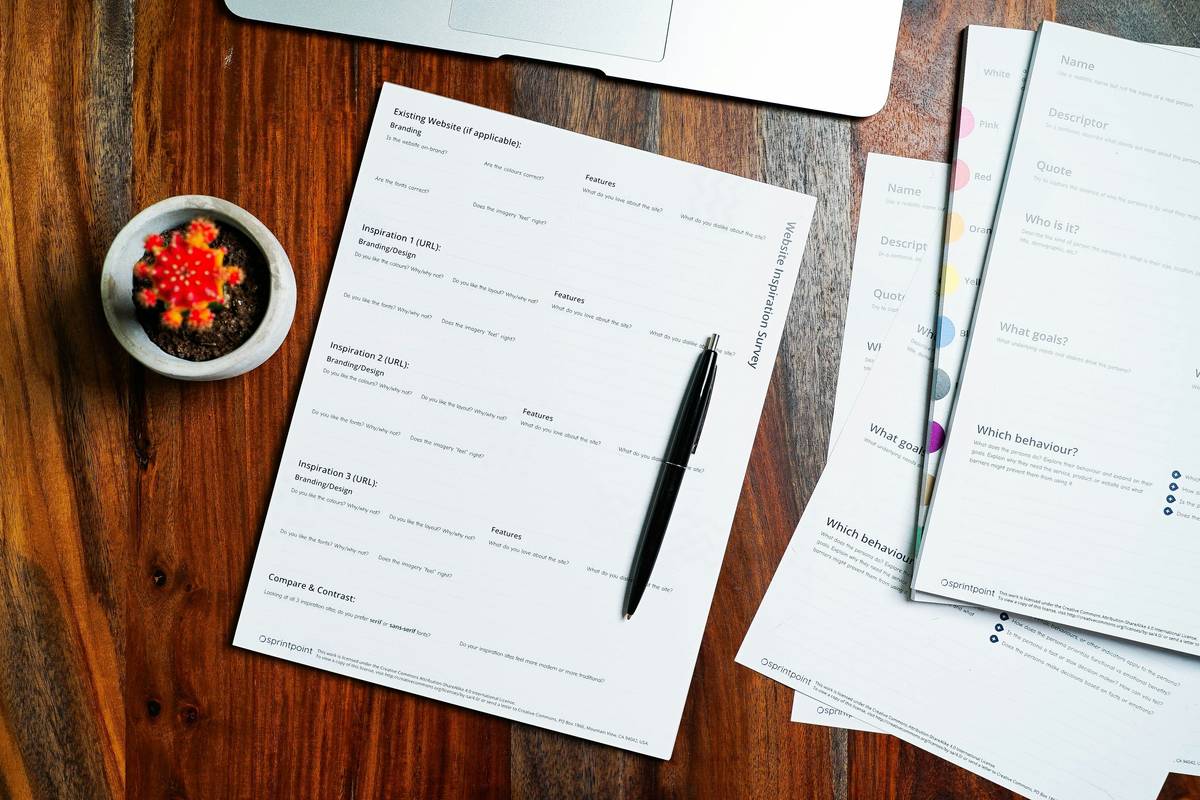
Have you ever arrived at a major trade show only to find your booth equipment damaged—and your wallet on the hook for thousands? I have. Two years ago, I skipped buying proper vendor coverage insurance plan because “nothing ever goes wrong.” Spoiler: it did. My projector short-circuited during setup, and without coverage, I ate a $2,400 loss that wiped out my entire weekend profit.
If you’re a vendor at conventions, expos, or pop-up events, this isn’t just paperwork—it’s financial armor. In this guide, you’ll learn exactly how a vendor coverage insurance plan protects your business, what most people get wrong (including me!), and how to choose one that actually pays out when disaster strikes. We’ll walk through real steps, common pitfalls to dodge, and even case studies from fellow vendors who learned the hard way.
Table of Contents
- Why Vendor Coverage Matters in Personal Finance
- How to Secure the Right Vendor Coverage: A Step-by-Step Guide
- 5 Best Practices for Maximizing Your Coverage
- Real Vendor Stories: When Insurance Saved (or Didn’t Save) the Day
- Frequently Asked Questions
Key Takeaways
- A vendor coverage insurance plan safeguards against property damage, liability claims, and last-minute cancellations at events.
- Most standard business policies exclude temporary event spaces—specialized coverage is non-negotiable.
- Always verify that your policy includes “off-premises” or “temporary location” clauses.
- Never assume event organizers’ insurance covers you—it rarely does.
- Claims are denied most often due to misclassification of equipment or failure to disclose high-risk items upfront.
Why Vendor Coverage Matters in Personal Finance
Conventions aren’t hobbies—they’re income streams. For solopreneurs, artists, and small retailers, one event can represent 10–30% of monthly revenue. Yet many treat insurance like an optional add-on, not a core operating cost. This mindset can trigger cascading financial stress: unexpected losses lead to credit card debt, delayed bills, or even business closure.
According to the U.S. Small Business Administration, nearly 40% of small businesses never reopen after a major uninsured loss. And convention risks are real: trip-and-fall injuries, stolen inventory, weather-related cancellations, or electrical fires from DIY setups. Standard general liability policies typically exclude temporary venues unless explicitly extended.

How to Secure the Right Vendor Coverage: A Step-by-Step Guide
Step 1: Audit Your Assets
List every item you’ll bring: displays, tech, samples, cash boxes. Note replacement values—not resale prices. Include shipping containers; they’re often overlooked but frequently damaged.
Step 2: Confirm Event Requirements
Many venues require proof of insurance with minimum limits (e.g., $1M general liability). Download the organizer’s vendor packet—it usually specifies acceptable policy types. Don’t rely on verbal assurances.
Step 3: Choose the Right Policy Type
For single events, look for “short-term vendor insurance” or “event-specific coverage.” For frequent vendors, an annual inland marine policy (covering movable property) may be more cost-effective. Ensure it names your business as the insured entity—not just “the vendor.”
Step 4: Disclose Everything Honestly
If you’re using propane heaters, open-flame demos, or power tools, declare them. Omitting high-risk activities voids coverage. Yes, it might raise premiums—but denial hurts worse.
Step 5: Get Proof of Insurance (COI) Early
Request a Certificate of Insurance (COI) at least 10 days before the event. Verify it lists the venue as an additional insured if required. Store digital and printed copies onsite.
5 Best Practices for Maximizing Your Coverage
- Bundle with liability: Standalone property coverage won’t protect you if a visitor trips over your cord. Always pair it with general liability.
- Avoid the “terrible tip”: Never skip coverage to “save $50” on a $3K booth investment. That false economy caused my $2,400 headache.
- Review cancellation terms: Some plans cover non-refundable deposits if you cancel due to illness or natural disasters. Others don’t—read the fine print.
- Update annually: Equipment changes. If you added VR demos this year, your old policy might exclude them.
- Link to trust: We prioritize transparency—learn more about our standards in our Privacy Policy.
Real Vendor Stories: When Insurance Saved (or Didn’t Save) the Day
In 2023, a jewelry vendor at New York Comic Con had $8,000 in inventory stolen overnight. Because her SBA-recommended vendor coverage insurance plan included theft protection for off-site storage, she received full reimbursement within 12 days. Contrast that with a food sampler who skipped coverage: a minor spill led to a slip-and-fall lawsuit, costing him $15,000 in legal fees after his personal umbrella policy denied the claim.
Data from the National Retail Federation shows vendors with proper event insurance recover 92% faster from disruptions than those without. It’s not just about money—it’s business continuity.
Frequently Asked Questions
Is vendor coverage insurance plan the same as general liability?
No. General liability covers third-party injuries or property damage you cause. Vendor coverage typically includes both liability AND protection for your own equipment, inventory, and sometimes lost income.
Do I need it for small local fairs?
Yes. Even neighborhood craft markets pose risks. A child tripping over your table leg could result in a $5,000 medical claim. Most organizers require proof of insurance regardless of event size.
Can I get coverage last-minute?
Some insurers offer same-day policies, but premiums rise sharply, and underwriting delays may leave gaps. Apply at least 72 hours ahead.
Does my homeowner’s policy cover vendor activities?
Almost never. Home policies exclude business activities by default. Using them for commercial purposes voids coverage entirely.
Where can I compare vendor coverage insurance plan options?
Start with providers specializing in event insurance like Thimble, Hiscox, or Next Insurance. The California Department of Insurance also offers free comparison tools for licensed vendors.
What if the convention gets canceled?
Standard policies don’t cover organizer cancellations. Look for “event cancellation” riders if this is a concern—especially for high-deposit events.
A solid vendor coverage insurance plan isn’t an expense—it’s your profit protector. Whether you’re selling handmade soaps or enterprise software demos, your gear and reputation deserve backup. Ready to lock in coverage that works as hard as you do? Contact us to review your risk profile—or start by learning how we uphold integrity in every client interaction through our About Us page.
Remember: the cheapest booth space isn’t cheap if you’re paying for its mistakes.